









Lip balm itself usually doesn't make lips drier. The problem is that lip balms that contain mineral oil-based ingredients apply a protective layer without adding the fats needed to build up the lips' own barrier. This provides relief for the moment, but when the layer wears off, the lips are just as dry as before and you have to reapply, creating a vicious cycle.
The lip lacks its own protection
The skin on your lips is different from the skin on the rest of your body. There are three factors that affect the condition of your lips.
The stratum corneum, the outermost layer of the skin, is much thinner on the lips than on other parts of the body. This leads to moisture evaporating more quickly, among other things.
The lips also have few or no sebaceous glands at all, which means that the lips cannot lubricate themselves, unlike, for example, the face, which has significantly more sebaceous glands and can thus moisturize itself.
Finally, the pigment on the lips is weaker, which makes the lips much more vulnerable to sun exposure than the rest of the body.
The skin on your lips simply lacks the same protection as the rest of your body. This leads to your lips drying out more quickly. So regardless of whether you apply your lips often and use a suitable lip balm, it is completely normal to experience dry lips.
This is how the loop occurs
Many people find that once they start using lip balm, they become addicted and can't stop applying it. But in reality, there is no scientific support for the fact that lip balm is addictive in a physiological sense. What many people experience as an addiction is the habit itself combined with a product that doesn't do what it's supposed to.
Many lip balms are based on a so-called occlusive fat layer, for example mineral oil-based raw materials. Cosmetic mineral oil is safety-tested and not harmful. But these types of ingredients do not add any fats, but rather form a physical, protective barrier on top of the skin. When you apply it to your lips, it therefore feels moisturizing and directly soothing. But the problem is that a pure occlusive layer does not add the fats that the skin on the lips needs to build its own barrier.
When the lip balm is then worn away by, for example, food, drink, talking and wind, the lips are just as dry as before and what do we do then? We reapply. This creates a vicious cycle of dry lips that can lead to a dependency on lip balm.
Additional factors leading to dry lips and increased use of lip balm:
- You lick your lips frequently Saliva feels moisturizing for a short time but then evaporates quickly, taking moisture from your lips along the way. Enzymes in saliva also break down the surface layer of your skin.
- Irritating additives in lip balm Camphor and chemical menthol are strong flavorings and perfume can give a cooling or tingling sensation that is easily interpreted as a soothing effect. But for an already chapped lip, it usually only leads to irritation.
- Waiting until it hurts Waiting too long before applying lip balm can lead to chapped, dry lips that hurt. At that point, the use of lip balm can increase to relieve the symptoms.
- Winter and cold Cold outdoor air with little moisture and heated indoor air that also has too little moisture increases the evaporation of moisture from the already thin stratum corneum of the lips. This combination in turn leads to dry lips.
What you do instead
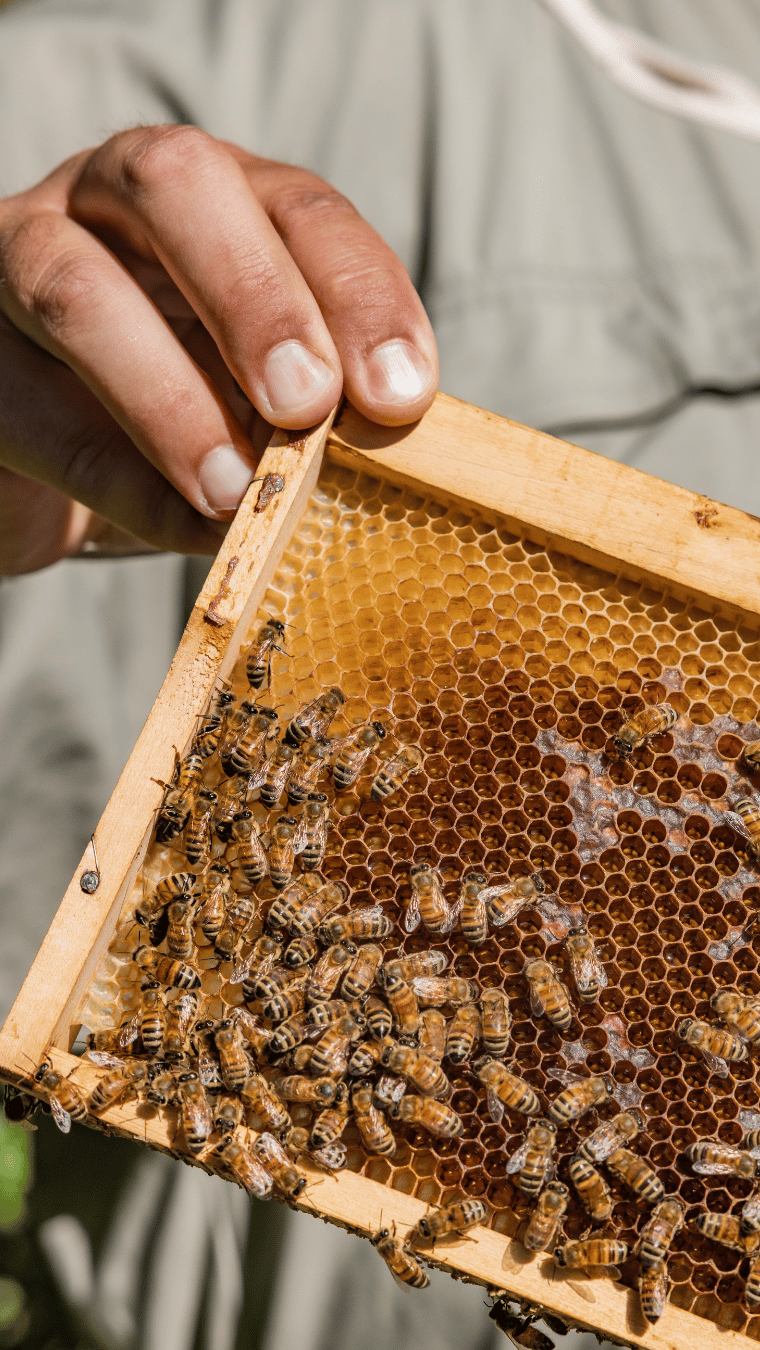
Check the ingredients in your lip balm and look for lip balms with plant oils and waxes that provide fatty acids rather than products with only occlusive ingredients. As these will layer on your lips. Good ingredients to look out for are beeswax, shea butter or other cold-pressed oils.
Also choose unflavored lip balms or those with a mild essential oil scent if you prefer, but avoid menthol and camphor, especially if you already have chapped lips.
Any time is good, but the most important time to apply lip balm is at night before you go to bed. This allows your lips to lie undisturbed for several hours and gives the product a chance to work on your lips without being worn away by food or drink, for example.
Start paying attention to how often you lick your lips and try to reduce the licking, as it only dries them out. If you change your lip balm but continue to lick your lips, the problem of dry lips will persist. Stopping the licking can actually make a bigger difference than you think.
How long it takes before you notice that your lips feel better is individual and depends on how dry and damaged your lips are to begin with. Some people notice a difference quickly, while for others it may take longer as the lips need to rebuild their skin barrier.
Voice of the customers
Many customers describe that they have previously had to lubricate their lips frequently or tried several different lip balm without getting the effect they wanted. Here are some of their experiences:
"Enough to use on the lips morning and night for me, compared to others lip balm which must be used all the time.”
"I have all sorts of different lip balm , both from pharmacies and expensive brands with long ingredient lists, but none of these have managed to cure my chapped and chapped lips."
"Dense, comfortable and I feel that my lips become less dependent. Probably because it's good ingredients."
Frequently Asked Questions
Can you become addicted to lip balm?
No, there is no evidence that lip balm creates a physical addiction. What many people experience as an addiction is actually a habit that is reinforced by products that relieve the symptom in the moment rather than strengthening the skin barrier of the lips.
How often should you lubricate your lips?
It should be enough to lubricate your lips a few times a day and once at night before bed. With a product that adds fats, this is often enough for most people. If you need to lubricate your lips every fifteen minutes, it may be a sign that the product contains ingredients that are not doing the full job.
Is mineral oil dangerous?
No, cosmetic mineral oil is safety tested and not dangerous to use. The reason to avoid mineral oil in lip balm is not about safety but about its function.
Why do lips crack more in winter?
Cold outdoor air holds little moisture, and heated indoor air also holds little moisture. The combination leads to drier lips that are more likely to crack.
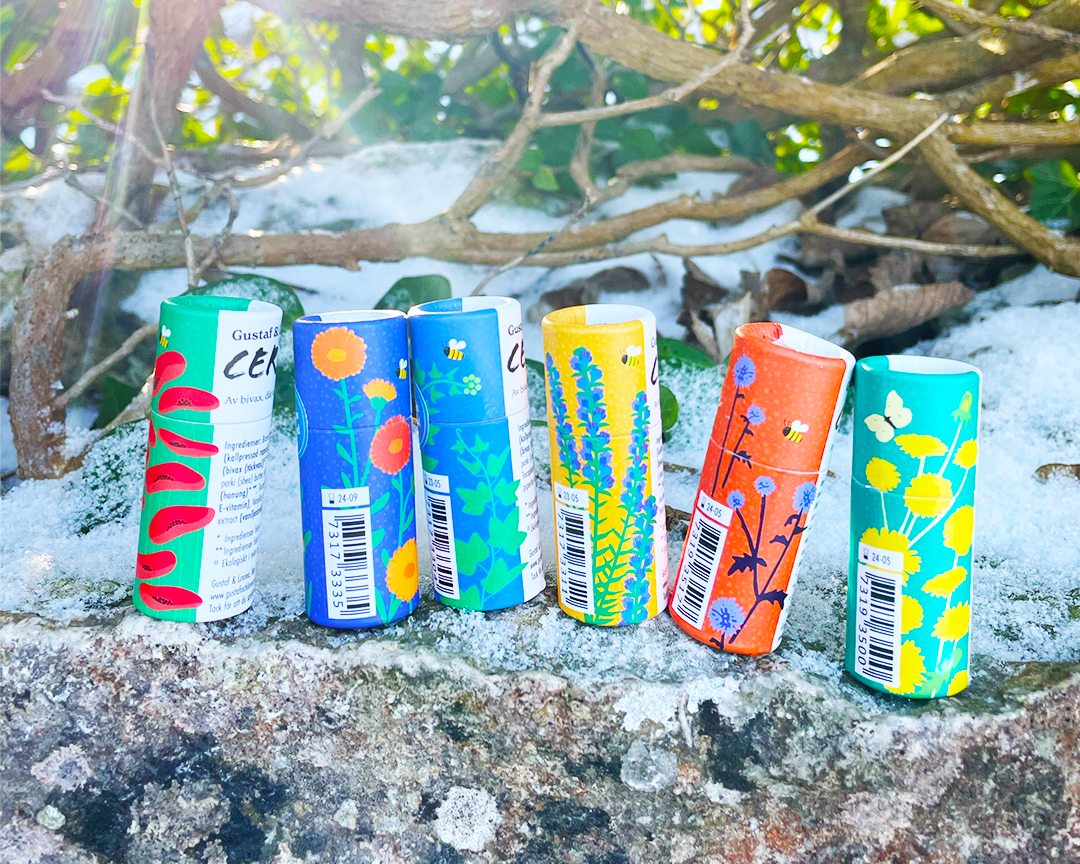
Gustaf & Linnea's natural lip balm contains, among other things, beeswax, cold-pressed rapeseed oil and shea butter that soften the lips and provide fats that support the skin's natural barrier (product link).